
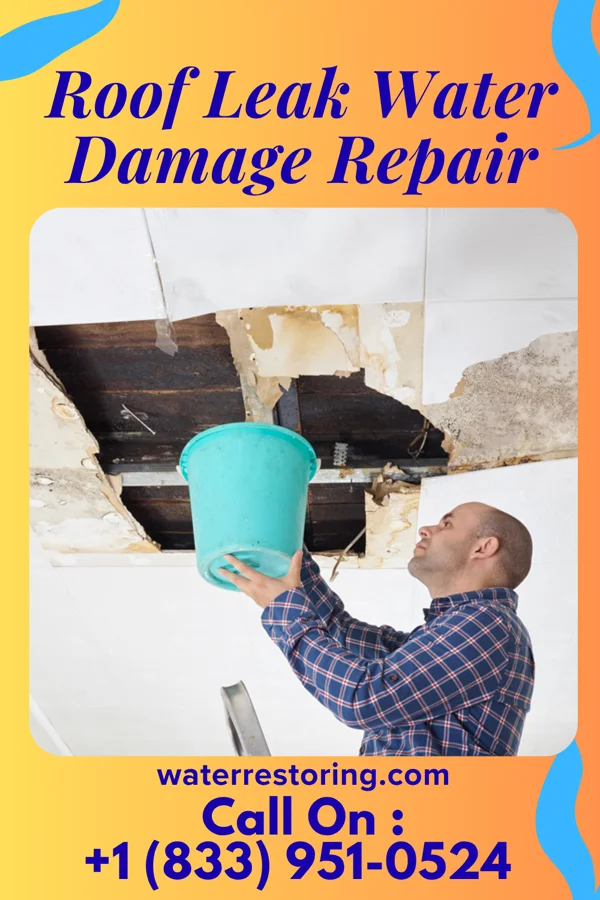
Roof Leaks Across Affton Neighborhoods
Every neighborhood in Affton has a different water damage risk profile. The one that shows up on most restoration calls is Affton experiences frequent thunderstorms and heavy rainfall, especially during the late spring and early summer months. These weather patterns can lead to sudden roof leaks and water damage, particularly in older homes with asphalt shingle roofs. The high humidity levels also contribute to the risk of mold growth if water intrusion is not addressed promptly.. A close second is In the fall, Affton may see a rise in wind-driven rain, which can force water under roof edges and into vulnerable areas. Winter snowmelt can also cause water to seep through damaged roofing materials, leading to leaks and internal water damage. These seasonal weather patterns require timely roof inspections and repairs..
Affton's climate, characterized by hot summers and mild winters, can lead to thermal expansion and contraction of roofing materials, increasing the likelihood of leaks. Additionally, the area's proximity to the Mississippi River can contribute to higher humidity levels, exacerbating moisture-related issues.
Water damage in Affton follows a few local patterns. Affton experiences frequent thunderstorms and heavy rainfall, especially during the late spring and early summer months. These weather patterns can lead to sudden roof leaks and water damage, particularly in older homes with asphalt shingle roofs. The high humidity levels also contribute to the risk of mold growth if water intrusion is not addressed promptly. accounts for the bulk of our calls. Affton's climate, characterized by hot summers and mild winters, can lead to thermal expansion and contraction of roofing materials, increasing the likelihood of leaks. Additionally, the area's proximity to the Mississippi River can contribute to higher humidity levels, exacerbating moisture-related issues. Mold can begin to grow within 48 hours of water intrusion in Affton, especially in homes with poor ventilation. This can lead to secondary damage, including wood rot, decreased indoor air quality, and potential health risks for residents.